
Health Benefits Unveiled
Boosting Wellness Naturally
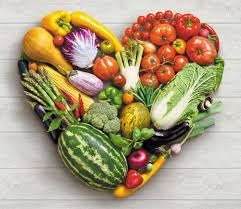
Plant-based diets, emphasizing fruits, vegetables, legumes, and whole grains, offer significant health advantages. Studies show they reduce heart disease risk by 32%, per a 2024 Harvard study, due to lower saturated fat and cholesterol intake. Rich in fiber and antioxidants, these diets also decrease type 2 diabetes risk by 23%, per the American Diabetes Association, supporting weight management and overall vitality.
Environmental Impact
Sustainable Food Choices
Adopting a plant-based diet reduces environmental strain, cutting personal carbon footprints by up to 50%, according to a 2025 Oxford University report. Livestock farming contributes 14.5% of global greenhouse gas emissions, per the FAO, while plant-based foods require less water and land. Choosing legumes over beef can save 2,500 gallons of water per pound of food, making it a powerful eco-friendly choice.
Economic Advantages
Saving on Food Costs
Plant-based eating can lower grocery bills, with staples like beans and rice costing 30-40% less than meat, per 2024 USDA data. A family of four can save $1,500 annually by reducing meat consumption, according to Budget Bytes. Bulk buying grains and seasonal produce further cuts expenses, making plant-based diets accessible for budget-conscious households.
Getting Started Easily
Transitioning Smoothly
Begin by incorporating one plant-based meal daily, such as a lentil soup or vegetable stir-fry, to ease into the lifestyle. Use apps like HappyCow to find plant-based recipes or restaurants. Stock your pantry with affordable staples like quinoa, chickpeas, and frozen vegetables. Gradually replace animal products with alternatives like almond milk or tofu, which 68% of new adopters find seamless, per a 2025 Forks Over Knives survey.
Overcoming Nutritional Challenges
Ensuring Balanced Intake
Address nutrient concerns like B12, iron, and protein by including fortified foods or supplements. A tablespoon of nutritional yeast provides 100% of daily B12 needs, while lentils offer 18g of protein per cup, per USDA. Consult a dietitian to tailor plans, as 85% of plant-based eaters meet nutritional needs with proper planning, per a 2024 Nutrition Journal study, ensuring long-term health.
Building Community Support
Connecting with Like-Minded Eaters
Join online communities or local vegan groups via platforms like Meetup to share recipes and tips, with 70% of new plant-based dieters reporting higher success with peer support, per a 2025 Plant Based News survey. Attend plant-based cooking classes or festivals to stay motivated. Engaging with others fosters accountability, making the transition enjoyable and sustainable.