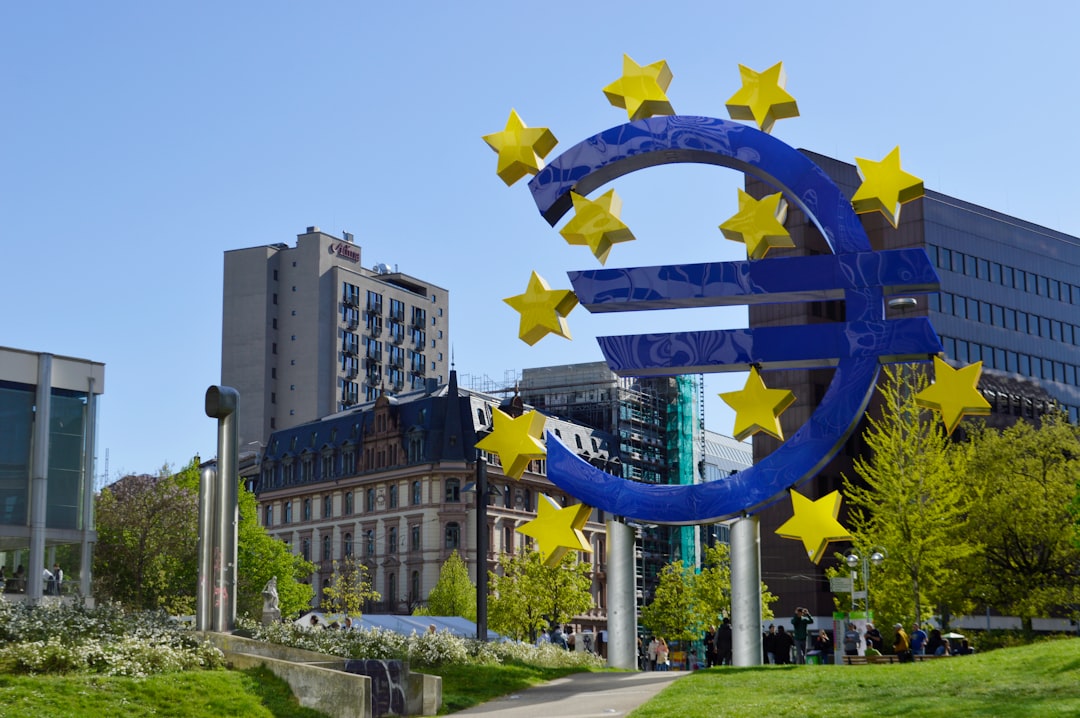

As we approach the year 2026, the European investment landscape is poised for a dynamic shift. With a rapidly changing economic climate, shifting consumer behaviors, and emerging technological advancements, investors in Europe are faced with both exciting opportunities and daunting challenges. In this comprehensive guide, we’ll explore the key trends, emerging opportunities, and potential obstacles that will define the European investment outlook for the coming years.
Trends Shaping the European Investment Landscape in 2026
The European investment landscape is constantly evolving, and several key trends are expected to shape the market in the years leading up to 2026. Understanding these trends is crucial for investors looking to stay ahead of the curve and capitalize on the changing dynamics.
1. Sustainable Investing Takes Center Stage
The growing focus on environmental, social, and governance (ESG) factors has become a dominant force in the European investment landscape. Investors are increasingly prioritizing sustainable and socially responsible investment opportunities, driving a surge in demand for green finance, renewable energy, and ethical business practices.
2. Digital Transformation Accelerates
The COVID-19 pandemic has accelerated the pace of digital transformation across Europe, and this trend is expected to continue through 2026. Investors are closely monitoring the advancements in fintech, blockchain, and artificial intelligence, as these technologies promise to disrupt traditional financial services and create new investment opportunities.
3. Demographic Shifts Influence Investor Behavior
The European population is undergoing significant demographic changes, with an aging population and the rise of millennials and Gen Z as influential investor groups. These shifts are shaping investment preferences, with a growing focus on retirement planning, healthcare, and technology-driven solutions that cater to the needs of these evolving demographics.
Emerging Investment Opportunities in Europe
Amidst the changing landscape, several investment opportunities are emerging in Europe, offering potential for growth and diversification.
1. Renewable Energy and Clean Tech
The European Union’s commitment to achieving carbon neutrality by 2050 has fueled a surge in investment in renewable energy and clean technology. Investors are eyeing opportunities in solar, wind, and energy storage solutions, as well as innovative technologies that support the transition to a more sustainable future.
2. Healthcare and Biotech
The aging population and the increased focus on healthcare have created a favorable environment for investment in the healthcare and biotech sectors. Investors are exploring opportunities in pharmaceutical research, medical devices, and digital health solutions that cater to the evolving needs of the European market.
3. Fintech and Digital Infrastructure
The rapid digitalization of the financial industry has opened up a wealth of opportunities for investors in the fintech and digital infrastructure sectors. From mobile banking and digital payments to blockchain-based platforms and cloud-based services, the European fintech landscape is ripe for investment.
Challenges and Risks in the European Investment Landscape
While the European investment landscape presents numerous opportunities, it also faces several challenges and risks that investors must navigate.
1. Geopolitical Uncertainty
The ongoing geopolitical tensions and the potential for further disruptions, such as the Russia-Ukraine conflict, can create volatility and uncertainty in the European investment market. Investors must closely monitor the political landscape and be prepared to adapt their strategies accordingly.
2. Regulatory Changes
The European Union is constantly evolving its regulatory framework, particularly in areas such as sustainability, data privacy, and financial services. Investors must stay informed about these changes and ensure their investment strategies align with the evolving regulatory environment.
3. Economic Volatility
The European economy has experienced significant volatility in recent years, with the COVID-19 pandemic and other global events impacting growth and investor confidence. Navigating the potential for economic downturns and market fluctuations will be a key challenge for European investors in the coming years.
Key Takeaways
- Sustainable investing, digital transformation, and demographic shifts are shaping the European investment landscape in 2026.
- Emerging opportunities exist in renewable energy, healthcare, and fintech, offering potential for growth and diversification.
- Geopolitical uncertainty, regulatory changes, and economic volatility pose challenges that investors must navigate carefully.
FAQ
What are the key trends shaping the European investment landscape in 2026?
The key trends shaping the European investment landscape in 2026 include the growing focus on sustainable investing, the acceleration of digital transformation, and the influence of demographic shifts on investor behavior.
What are some of the emerging investment opportunities in Europe?
Some of the emerging investment opportunities in Europe include the renewable energy and clean tech sectors, the healthcare and biotech industries, and the fintech and digital infrastructure sectors.
What are the main challenges and risks facing European investors in 2026?
The main challenges and risks facing European investors in 2026 include geopolitical uncertainty, regulatory changes, and economic volatility. Investors must closely monitor these factors and adapt their strategies accordingly.
How can investors navigate the evolving European investment landscape?
To navigate the evolving European investment landscape, investors should stay informed about the latest trends, opportunities, and challenges, diversify their portfolios, and be prepared to adapt their strategies to the changing market conditions.
What role will sustainability play in European investments in the coming years?
Sustainability will play a crucial role in European investments in the coming years, as investors increasingly prioritize ESG factors and seek out opportunities in renewable energy, clean technology, and socially responsible businesses.
How will demographic shifts impact investment preferences in Europe?
Demographic shifts, such as the aging population and the rise of millennials and Gen Z, will influence investment preferences in Europe, with a growing focus on retirement planning, healthcare, and technology-driven solutions that cater to the needs of these evolving investor groups.
Final Thoughts
The European investment landscape is poised for a dynamic transformation in the years leading up to 2026. By understanding the key trends, emerging opportunities, and potential challenges, investors can position themselves to capitalize on the evolving market and navigate the complexities of the European financial climate. Whether you’re a seasoned investor or just starting your investment journey, staying informed and adaptable will be crucial to success in the European investment landscape of the future.