
Table of Contents
- Introduction to How Crypto Trading Works
- Basic Concepts of Crypto Trading
- Advanced Strategies for Crypto Trading
- Optimization Techniques to Maximize Returns
- Common Fees and Hidden Costs
- How Long Does Approval Usually Take?
- Qualifications and Required Documents
- Common Mistakes to Avoid
- Comparison of Popular Crypto Trading Platforms
- Key Takeaways
- FAQs
- Conclusion
Introduction to How Crypto Trading Works
If you are interested in digital assets, understanding how crypto trading works is essential to navigate this increasingly popular market effectively. Crypto trading involves buying and selling cryptocurrencies like Bitcoin, Ethereum, and others through exchanges or trading platforms. This article will guide you through both foundational knowledge and advanced strategies to optimize your trading in 2026.
Basic Concepts of Crypto Trading
Crypto trading operates on the principle of exchanging one cryptocurrency for another or for fiat currency such as USD or EUR. The market is highly volatile, enabling opportunities for profit but also presenting risks. Key components include:
- Cryptocurrency Exchanges: Platforms where you can buy, sell, or trade crypto assets.
- Wallets: Digital tools to store your cryptocurrencies securely.
- Market Orders and Limit Orders: Different types of trade orders to control buying or selling prices.
For detailed financial definitions, you can visit Investopedia.
Advanced Strategies for Crypto Trading
As you become more comfortable with how crypto trading works, advanced strategies can help you capitalize on market movements. These include:
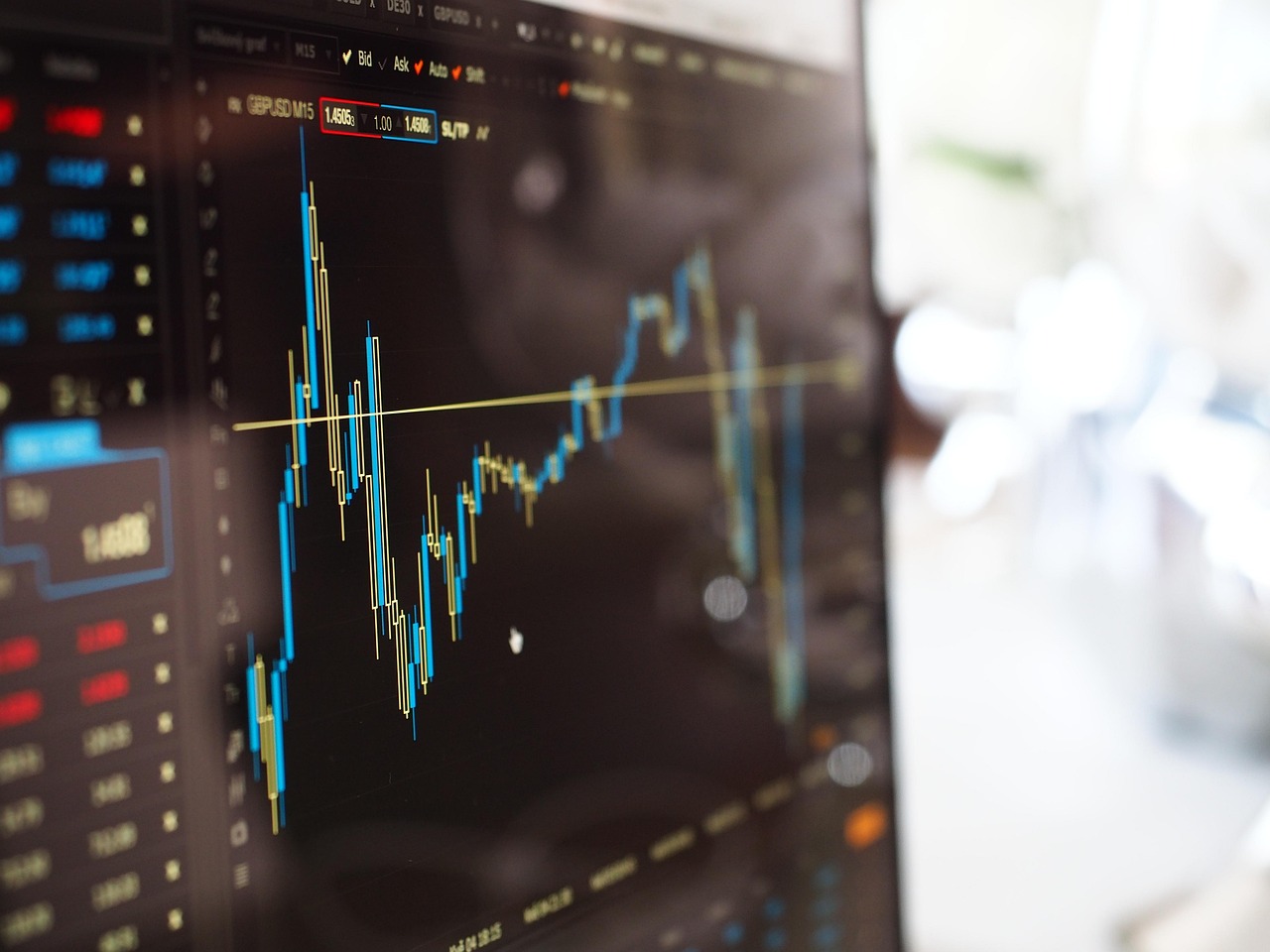
- Technical Analysis: Using charts, indicators, and patterns to predict price movements.
- Arbitrage: Exploiting price differences across different exchanges.
- Margin Trading: Borrowing funds to increase your trading position.
- Algorithmic Trading: Using programmed bots to execute trades automatically based on set criteria.
Each strategy requires an understanding of market behavior and risk management to avoid significant losses.
Optimization Techniques to Maximize Returns
Optimizing your crypto trading involves more than just picking the right coins. Consider the following techniques:
- Portfolio Diversification: Spread your investments across multiple assets to reduce risk.
- Stop-Loss and Take-Profit Orders: Automatic triggers to sell at certain price levels to lock in profits or limit losses.
- Regular Performance Review: Analyze your trading results periodically to refine your strategies.
- Leverage Data and News: Stay informed about market trends and regulatory updates, such as those found on Consumer Finance.
Common Fees and Hidden Costs
Understanding the fees associated with crypto trading is vital since they can impact your profitability. Common fees include:
- Trading Fees: Usually a small percentage of each trade executed.
- Withdrawal Fees: Charges when transferring crypto assets to a wallet.
- Deposit Fees: Some platforms charge for funding your account.
- Spread Costs: The difference between the buying and selling price.
Always check the fee schedule on your chosen platform before trading.
How Long Does Approval Usually Take?
Before you start trading, most exchanges require you to complete a Know Your Customer (KYC) process. This involves verifying your identity to comply with regulations. Approval times vary:
- Simple KYC: Usually completed within a few hours to one business day.
- Enhanced KYC: May take several days if additional documentation is needed.
Delays can occur during periods of high demand or if documents are unclear.
Qualifications and Required Documents
To qualify for crypto trading, you typically need to meet the following:
- Be of legal age (usually 18 or older).
- Provide a valid government-issued ID (passport, driver’s license).
- Proof of residence (utility bill, bank statement).
- Sometimes, proof of income or source of funds.
Requirements vary by exchange. Preparing these documents in advance speeds up the approval process.
Common Mistakes to Avoid
When learning how crypto trading works, avoid these pitfalls:
- Ignoring Risk Management: Never invest more than you can afford to lose.
- Lack of Research: Don’t trade based on hype without understanding the asset.
- Overtrading: Excessive trades can erode profits through fees.
- Neglecting Security: Use two-factor authentication and secure wallets.
- Failing to Keep Records: Important for tracking performance and tax purposes.
Comparison of Popular Crypto Trading Platforms
| Platform | Trading Fees | Supported Coins | Security Features | KYC Process |
|---|---|---|---|---|
| Binance | 0.1% per trade | 500+ | 2FA, Cold Wallets | Standard, <1 day |
| Coinbase | 1.49% per trade | 100+ | Insurance, 2FA | Enhanced, 1-3 days |
| Kraken | 0.16% – 0.26% | 80+ | 2FA, Global Settings Lock | Standard, 1 day |
Key Takeaways
- Understanding how crypto trading works is crucial for navigating the volatile market effectively.
- Advanced strategies like technical analysis and arbitrage can increase your chances of success.
- Optimization techniques such as diversification and stop-loss orders help manage risk.
- Be aware of all fees and carefully review platform policies before trading.
- Prepare required documents to expedite approval and ensure compliance.
- Avoid common mistakes by conducting thorough research and employing strong security measures.
FAQs
What are the best alternatives to how crypto trading works?
Alternatives include traditional stock trading, forex trading, and investing in commodities. Each has different risk profiles and regulatory environments. For more insights, visit Investopedia.
Is how crypto trading works a good idea in 2026?
Crypto trading remains a viable option in 2026, but its success depends on market conditions, regulatory changes, and your trading skills. Staying informed and using advanced strategies can improve your outcomes.
What is how crypto trading works and how does it work?
“How crypto trading works” refers to the process of buying and selling cryptocurrencies on trading platforms. It involves understanding market dynamics, placing orders, and managing risks to profit from price fluctuations.
What are the common fees and hidden costs?
Common fees include trading commissions, withdrawal and deposit charges, and spreads. Hidden costs may arise from slippage during volatile periods or inactivity fees on some platforms.
How long does approval usually take?
Approval times vary from several hours to a few days depending on the exchange and the thoroughness of your documentation during the KYC process.
What mistakes should I avoid?
Avoid neglecting risk management, trading without research, overtrading, ignoring security protocols, and failing to keep accurate records.
How do I qualify for how crypto trading works?
Qualification generally requires you to be of legal age, provide valid identification, proof of residence, and sometimes proof of income or source of funds.
What documents do I need?
You typically need a government-issued ID, proof of residence, and potentially financial documents depending on the platform’s regulatory requirements.
Conclusion
Learning how crypto trading works is your first step toward confidently entering the cryptocurrency market. By combining foundational knowledge with advanced strategies and optimization techniques, you can enhance your trading performance in 2026. Always remember to assess risks, stay updated with market trends, and use reputable platforms. For further information, explore resources like Investopedia and consult regulatory guidance on Consumer Finance. For more details about our services, visit our About and get in touch via Contact.